
Architecture is more than designing a beautiful building on paper. In the construction industry, architects play a vital role in shaping how spaces look, feel, and function. They are the professionals who transform ideas into complete, practical, and safe structures. From the initial concept to the final handover, architects hold a central position in the construction process — guiding decisions, ensuring compliance, and coordinating multiple teams to bring a project to life.
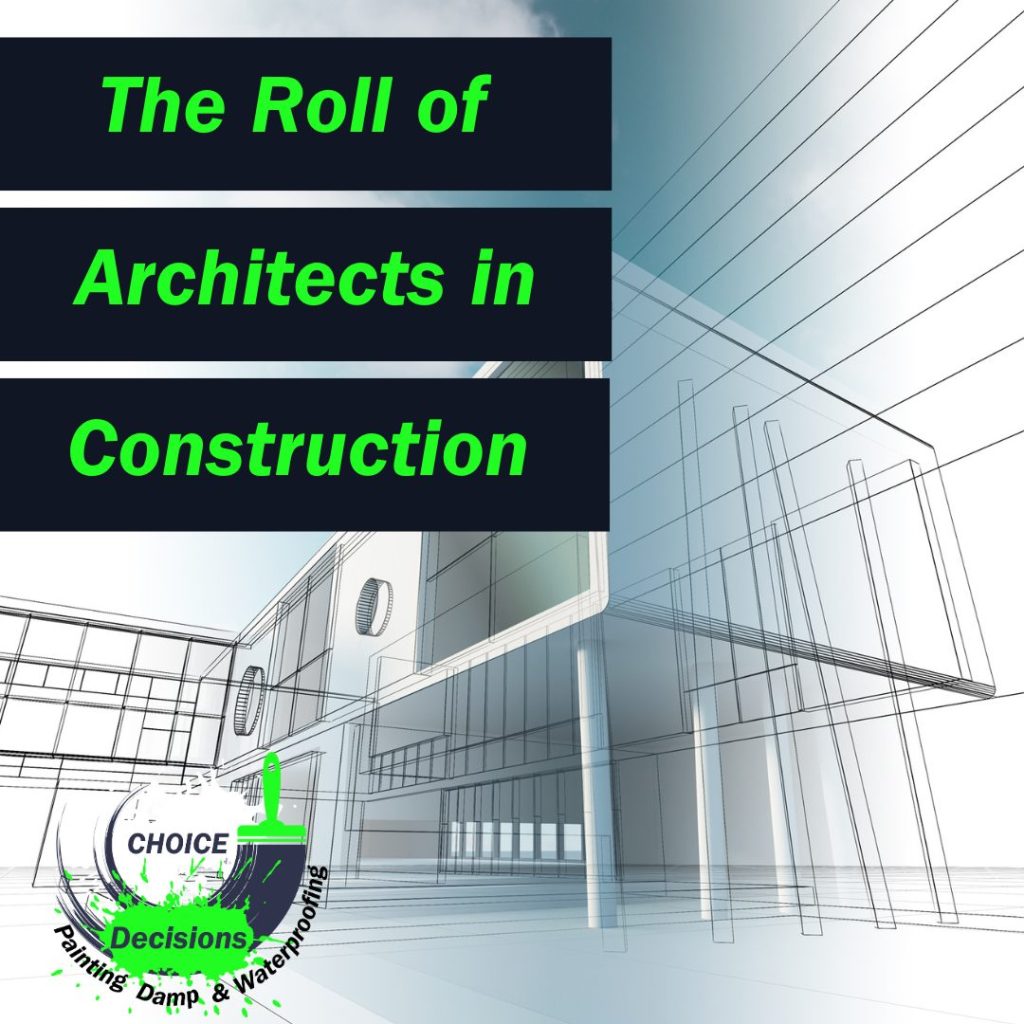
One of the architect’s most important responsibilities is concept development. This is where a client’s vision becomes a clear design. Architects analyse the purpose of the building, the client’s needs, the surrounding environment, and the long-term goals of the structure. They consider factors such as light, space, flow, accessibility, and lifestyle. Their early design sketches set the direction for the entire project.
Once the concept is approved, architects move into technical design and planning. This is where creativity meets precision. Architects prepare detailed drawings, floor plans, elevations, and 3D models. These designs must meet strict building codes, safety regulations, and municipal requirements. Every line drawn affects the final outcome, which is why architects ensure that materials, structural elements, and finishes are chosen carefully and strategically. Their plans become the blueprint that engineers, contractors, and builders follow on site.
Architects also play a crucial role in project coordination and communication. A construction project involves many professionals: engineers, quantity surveyors, contractors, subcontractors, and suppliers. The architect often acts as the central communicator between these teams. They make sure that everyone understands the design intent and that all work aligns with the approved plans. When challenges arise — such as material shortages, structural changes, or unexpected site conditions — architects help find practical solutions without compromising quality or safety.
Another key responsibility of architects is ensuring sustainability and efficiency. Modern architectural practice focuses on environmentally friendly materials, energy-efficient systems, and long-term sustainability. Architects look for ways to reduce waste, improve natural ventilation, maximise natural light, and incorporate energy-saving features. These choices not only benefit the environment but also help future occupants reduce long-term operating costs.
During construction, architects perform site inspections and quality checks. They visit the building site to ensure the work matches the approved plans and specifications. If changes are needed, the architect updates the drawings and guides the construction team through safe, compliant adjustments. Their oversight helps prevent costly mistakes, structural issues, or future maintenance problems.
Finally, architects contribute to design aesthetics and user experience. Beyond structural safety and technical accuracy, architects ensure the final space feels welcoming, functional, and visually appealing. They consider how people will use the building, how spaces connect, and how the environment influences comfort and productivity.
In the construction industry, architects are much more than designers — they are strategic thinkers, problem solvers, and project leaders. Their role ensures that buildings are not only beautiful but also safe, functional, sustainable, and built to last. Without architects, the construction process would lack direction, innovation, and harmony.