
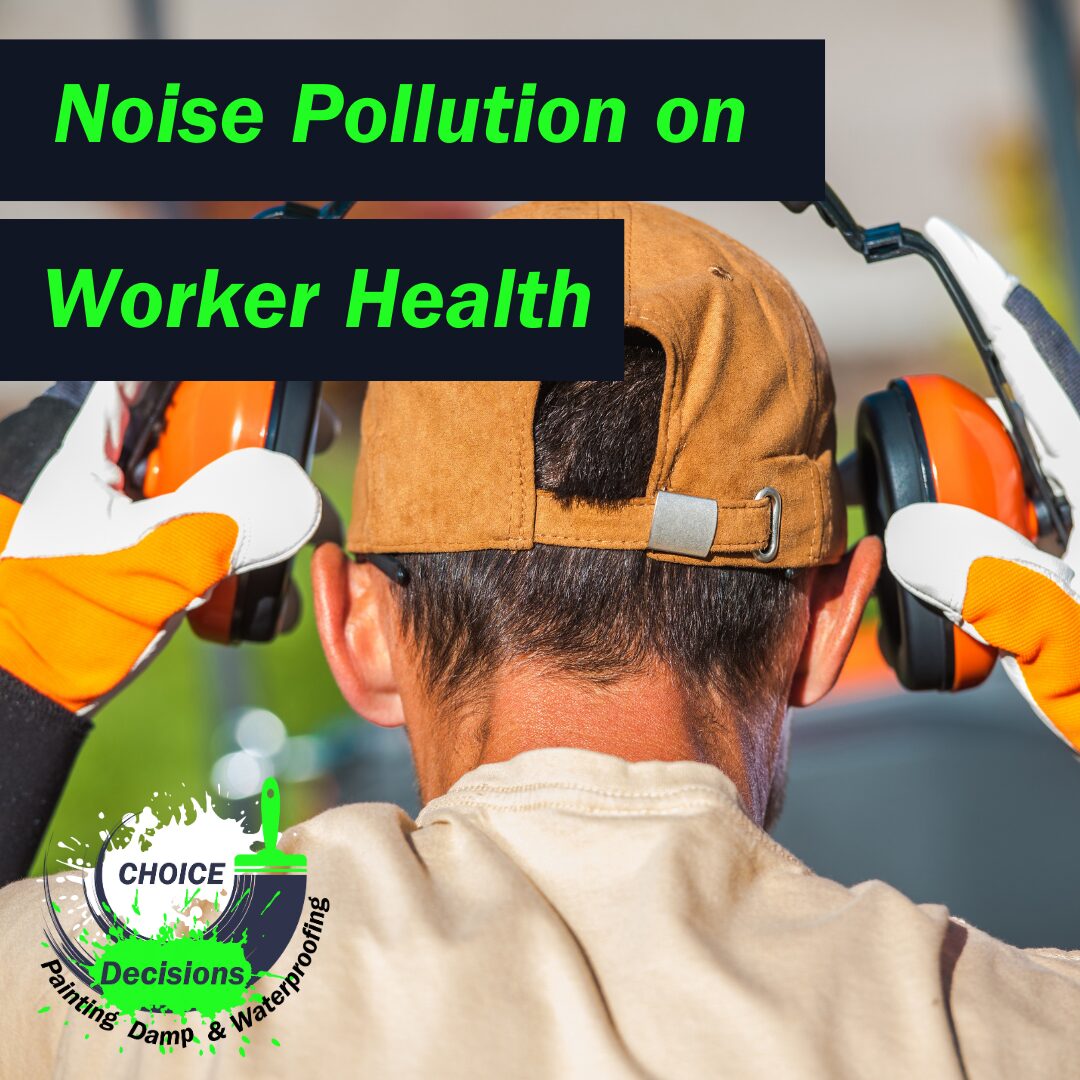
Noise pollution is one of the most common yet overlooked hazards on construction sites. With heavy machinery, drilling, power tools, vehicles, and demolition work happening simultaneously, construction environments can reach extremely high noise levels throughout the day. While noise may seem like a normal part of the job, long-term exposure can have serious consequences for worker health, well-being, and productivity. Understanding its impact is essential for creating safer and more sustainable construction sites.
One of the most significant health concerns related to noise exposure is hearing loss. Continuous loud noise can damage the delicate structures of the inner ear, leading to temporary or permanent hearing issues. Construction workers are especially vulnerable because many tools and machines exceed 85 decibels — the safety threshold at which hearing protection becomes necessary. Without proper gear, workers can experience ringing in the ears, muffled hearing, and eventually irreversible hearing damage. This condition often develops slowly, making it hard to detect until it becomes severe.
Noise pollution also affects mental and emotional well-being. Constant loud sounds can increase stress levels, trigger irritability, and reduce concentration. Workers who struggle to hear instructions or communicate with colleagues may feel frustrated or anxious. Over time, this contributes to fatigue, reduced morale, and lower job satisfaction. Persistent stress from noise can even impact sleep patterns, especially for workers living in busy construction zones or rotating between long shifts.
Another major concern is the impact of noise on overall physical health. Studies have shown that long-term exposure to loud noise can contribute to high blood pressure, increased heart rate, and a greater risk of cardiovascular problems. The body reacts to excessive noise as a form of stress, releasing stress hormones that affect the heart and immune system. Although these effects may not be immediately visible, they can cause long-term harm if not properly managed.
Noise pollution also has a direct impact on safety. In a loud environment, workers may struggle to hear warnings, alarms, or instructions. This increases the risk of accidents involving heavy machines, falling materials, or hazardous tools. Clear communication is essential in construction, and high noise levels make that difficult. When instructions are misunderstood or unheard, both workers and supervisors face increased danger. Reducing noise problems is therefore an important part of accident prevention.
The environment itself can amplify noise hazards. Enclosed areas such as tunnels, basements, and partially constructed buildings can echo, making sounds even louder. Outdoor sites near traffic, airports, or industrial zones may experience additional background noise that further increases exposure.
Reducing noise pollution requires proper planning, training, and protective equipment. Workers should use earplugs or earmuffs designed specifically for construction environments. Supervisors can schedule the loudest activities during times with fewer workers on site. Equipment should be maintained regularly, as poorly serviced machinery often generates more noise. Barriers, sound-dampening panels, and modern low-noise tools can also reduce exposure.
Creating awareness is just as important. When workers understand the dangers of noise and how it affects their long-term health, they are more likely to use protective gear consistently. Employers must enforce safety rules, conduct routine hearing tests, and provide training on how to recognise early signs of noise-related damage.
Noise pollution is an unavoidable part of construction, but its impact can be managed with the right strategies. Protecting workers from excessive noise is not only a legal requirement — it is an investment in safer worksites, healthier employees, and better long-term productivity.