

Water damage is one of the most common and costly problems homeowners face. While waterproof paint may seem like a quick fix, after repairing hundreds of failed waterproofing jobs, we’ve learned that relying on paint alone simply isn’t enough. Here’s why—and what a complete waterproofing system really looks like.
The Limitations of Waterproof Paint
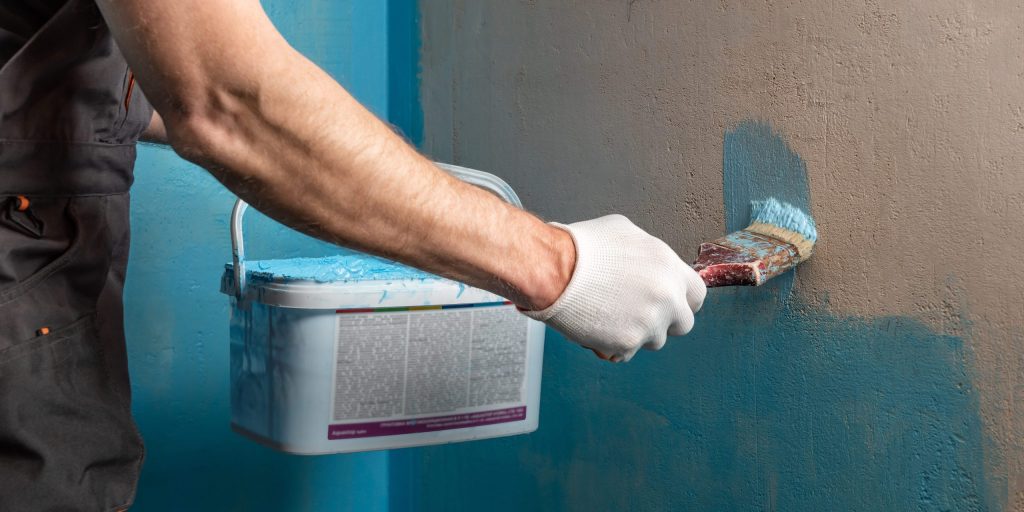
Many people assume waterproof paint will fully protect surfaces, but in reality, these paints are only water-resistant, not truly waterproof. They cannot bridge existing cracks, allowing moisture to seep through and cause damage. Additionally, waterproof paints often lack the flexibility needed to handle temperature changes and surface movement, leading to peeling, cracking, and failure within months.
A Complete Waterproofing System
To ensure lasting protection, a thorough, multi-step approach is essential:
- Surface Preparation: The foundation of any waterproofing project. All loose materials must be removed, and concrete surfaces should be acid-etched to improve adhesion. Cracks are repaired with hydraulic cement to create a solid, watertight base.
- Primer Stage: Using the right primer improves bonding. For masonry, penetrating primers deeply seal pores, while oil-based sealers are ideal for wood surfaces. Our favorite is Sherwin-Williams Loxon primer for its excellent adhesion and durability.
- Membrane Application: Different surfaces require tailored membranes. Polyurethane sheets are perfect for balconies to create a seamless barrier, rubberized coatings protect foundations from ground moisture, and fabric-reinforced layers add strength in bathrooms where moisture levels are high.
- Top Coat Selection: Elastomeric paints are essential on top because they accommodate surface movement without cracking. Mildew-resistant additives help prevent mold growth, especially in humid areas.
Cost Comparison: Why Investing More Saves You Money
A DIY waterproof paint-only approach might cost around R5,400, but it typically fails within 6 to 18 months, leading to recurring repairs and higher expenses over time. In contrast, a professional waterproofing system costs approximately R27,000 but can last 10 years or more, saving thousands in future repairs and providing peace of mind.
Extra Tips for Long-Term Success
- Always address any structural issues or leaks before applying waterproofing.
- Regularly inspect waterproofed areas for signs of wear or damage.
- Consider professional assessment if your property has a history of moisture problems.
In summary, waterproof paint alone offers only temporary relief. A comprehensive system combining preparation, primers, membranes, and elastomeric top coats ensures your surfaces stay dry, protected, and durable for years to come. Investing properly today prevents costly headaches tomorrow.